
In 2010, three major events brought the issue of human trafficking to the forefront of Shelley Repp’s world. First, Shelley worked with a young refugee trafficked by her sponsor family. Second, the biological mother of twins adopted by a friend was sexually exploited. Finally, a family member became trapped in the commercial sex industry. Today, Shelley is the Executive Director of the New Mexico Dream Center and fights on behalf of homeless and trafficked youth.
Last year, a mutual friend introduced me to Shelly after I collected over 100 pairs of socks, but none of the shelters would return my phone calls to receive this donation. As part of my 4-H community service and leadership skills development, I thought it would be easy to collect gently used and new socks from my 6th grade peers for homeless shelters servicing youth and families. Organizing the sock drive was easy, however convincing my school friends to take time to go their sock drawer was met with laziness. Then trying to hand the socks over to a shelter was even harder. Fortunately, Shelley returned our messages and welcomed the donation.
Shelly Repp began working with children and teens in 1989 after getting her pastoral licensure. She served as a children’s pastor from 1993 to 2010 when she became an Outreach Pastor. Working on community issues, Shelley felt compelled to address the severity of human trafficking, and she started the ministry Spoken For, to help survivors of human trafficking. In 2016, Shelley stepped down from the ministry position to form a nonprofit agency.
Also, in 2016, Shelley joined the New Mexico Human Trafficking Task Force where she met another person with a similar goal. Rob Thomas started the nonprofit New Mexico Dream Center as an outreach ministry to Albuquerque’s the most vulnerable people. Shelly shared the issues and connections between homeless youth and sex trafficking. She wanted to create a low barrier resource center to assist homeless youth and teenagers. This was when Shelley and Rob decided to merge their nonprofits to make a stronger and more supported organization. In addition to the information provided on www.nmdreamcenter.org, Shelley provided further insight for this article:
“The agency that I direct is New Mexico Dream Center. This agency has two programs – Spoken For which provides aftercare to survivors of sex trafficking that are identified in our state; and The Harbour which is the drop-in center for homeless teens that we operate on east Central avenue.”
Back to my sock drive, one friend donated socks, my brother donated over 50 pairs, a dedicated family friend donated new socks, and a final plea to my extended family brought the total to 121 pairs. My original goal was 200 pairs; however, my friends and peers have not been involved with community service other than picking up trash at school for points to buy snacks…that made more trash. My friends did not understand why I wanted the socks to pass along to homeless kids. I could not understand why they wouldn’t give me unneeded socks. My mother and I drove the collection of socks to Shelley at The Harbour resource center, and I caught a glimpse into the harsh world of homeless and trafficked kids.
The Harbour is located on Central Avenue in Albuquerque, New Mexico near cheap motels and a population with poor and homeless people. The Harbour provides low barrier services to teenagers struggling with homelessness and to survivors of human trafficking.

“Low barrier options mean that it is easy for people to access services there. For example, people who come to the Harbour do not have to have a driver’s license or other things to be able to receive services and resources. High barrier options are places where there are many conditions that need to be met for someone to receive services.”
Shelley gave us the full tour including the kitchen and pantry, showers and washing machines, and the free clothing store. This is when I decided my long-term 4-H community service project would support The Harbour. With my next visit, I brought tons of clothes my teenage brother and I collected from our closets. A year into this project and officially a middle schooler, I took a closer look into what it means to be a homeless kid.
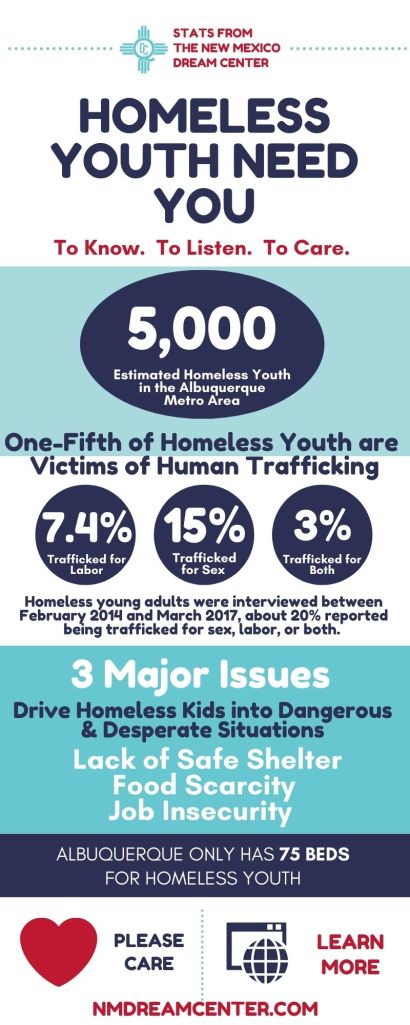
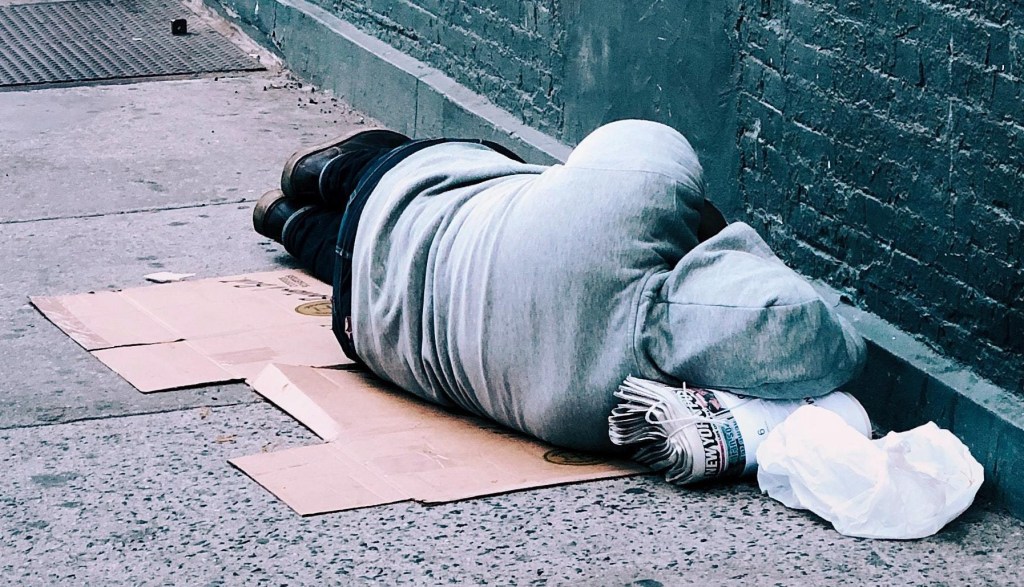
Three major issues need to be addressed to assist homeless youth. Because the kids and teenagers are either thrown out or have run away from their homes, they must find shelter. Finding a safe place to sleep is the first issue. Adults who find themselves homeless can apply for food stamps, however this resource is not available to homelessness youth. Food scarcity is the second major issue. Finally, if a homeless teen applies for a job, they don’t have an address, nor do they have proper transportation. Job insecurity is the third major issue facing homeless youth and teenagers. The Harbour provides services to young people struggling on the streets including meals, clothes, and personal hygiene supplies.
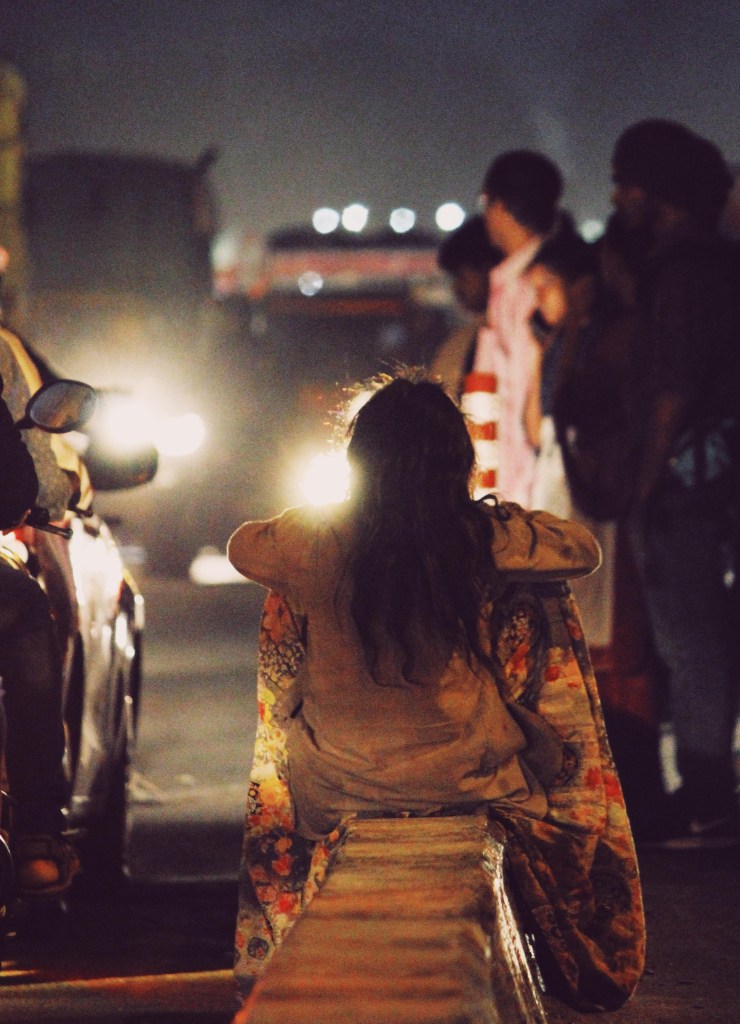
If I found a sock drive to be a difficult concept to introduce to my peers, how am I going to explain teenage homelessness and how it leads to human trafficking? Here is Shelley’s advice:
“Homeless teens are in this situation due to severe family problems. They are generally categorized as Runaways (meaning that they have left their home by their own choice) and Throwaways (meaning that they have been kicked out of their home by an authoritative family member). Teens who find themselves in this situation are extremely vulnerable due to their age, barriers to services since they do not have a parent with them and their life inexperience. Additionally, there are very limited services for the homeless teen population. These issues combine to create extreme vulnerability, which means that they are more likely to make a risky decision that could land them as a sex trafficking victim. Traffickers are predators and homeless young people are easy to prey upon since they often are not capable of getting a job, are not likely to have a secure shelter or secure food options. The traffickers offer to meet those needs which comes at the price of them selling their bodies.”
Albuquerque experienced a 27% increase in homelessness as reported by the US Department of Housing and Urban Development, making it the nation’s largest increase. During 2017-2018 school year, New Mexico Public School data showed that 10,683 public school students suffered from homelessness. Additionally, Albuquerque has 75 beds for homeless youth, providing shelter for only 7% of homeless youth and leaving 93% under-served and without shelter. Shelley and her team at The Harbour do their best to advocate for homeless youth, break the connection between homelessness desperation and sex trafficking, and raise awareness of the lack of resources to assist such youth.
At the start of Spring, I was ready to donate another round of supplies and clothing to The Harbour. However, Shelly had to turn everything down because of Covid-19. The Harbour had to temporarily stop their drop-ins for months, and could only allow appointments which is tough without a phone. This affected not only homeless teenagers and their safety, but the sole purpose of the Harbour.
a pandemic
“The regulations and guidance around Covid-19 have made it very difficult for our target populations to access services. We had to close the drop-in aspect of the Harbour for about 5 months. During that time, we could only see young people by appointment. It was super frustrating and really contributed to a great resource desert for those young people who are not in shelter. As far as the trafficking situation, it made it very difficult to identify trafficking victims due to the many social service agencies and hospitals that were closed or had very limited services. Additionally, law enforcement was hampered in investigating these crimes due to the many protests and social unrest activities, so we feel that many of the human trafficking victims slipped through the cracks during the severe Covid restrictions. Additionally, our Internet Crimes Against Children team saw a huge surge in the online predation of children since everyone was at home for so long. All in all, I am sad to say that I feel that the Covid-19 restrictions only harmed our client base.”
In my opinion as a teenager, young people shouldn’t have to be on the streets and the issue needs to be prioritized. I asked Shelley for advice: How can teenagers become more aware of the issue? What are attainable tasks or things we can do to help now?
“I think that in the Health Classes of every middle school and high school in New Mexico there should be a component about youth homelessness and the harm that it can cause. If this could happen, teachers would be able to educate teens about other options or how they can advocate for themselves. Ultimately, if we keep these kinds of issues a hidden problem, then they can’t be addressed by our community to find solutions. I think some actionable activities could be to have students ask questions about teen homelessness in their classes, to bring this topic to the forefront of people’s attention and thereby increase awareness. Additionally, students could do a “resource mapping” project in their community about what kinds of resources are or are not available in the area. If there are resources available, collect that information and make sure the school has it. If there are not resources available, perhaps put together a group of students to work together to find some doable solutions!”
Because youth homelessness and trafficking is not prioritized by state and local governments, I will continue to raise awareness among my peers and find more ways to help The Harbour. In the meantime, Shelley and her team remain dedicated to servicing Albuquerque’s “huge, gaping hole in services for homeless youth and trafficked minor children.”

human trafficking and youth experiencing homelessness.”
www.nmdreamcenter.org
Photos obtained from unsplash.com. Photo credits from top to bottom- Issac Dennis, Nathan Dumlao, Banjo Emerson Mathew, Jon Tyson, and Yeyo Salas
 Tang Press
One thought on “The Reality of Homeless Youth can become a Human Trafficking Nightmare”
Comments are closed.